
Top 5 Signs Your Fence or Deck Needs Restoration or Staining
- Oct 28, 2025
- 12 min read
Updated: Feb 17
Good exterior wood demands more than simple admiration. Around Terre Haute and the broader Wabash Valley, the seasons test every deck and fence - burning sun, long freezes, heavy storms. Far too often, cherished outdoor spaces lose their welcoming presence one subtle sign at a time: faded color, rough boards, tired rails. That drift from vibrant, sturdy wood to faded outposts hurts not only curb appeal but exposes safety risks for family and pets.
Early restoration isn't about chasing perfection - it's the mark of respect for your home and proactive stewardship neighborhoods appreciate. Catching problems right as they emerge guards against swollen cost down the line. Knowing the true signs of trouble - gray streaks, deep-set moisture, splintering rails - means you direct attention where it saves both wood and dollars.
That's where The Timber Revival Co steps in with straight answers and steady work, guided by veteran ownership and a reputation built in local Indiana communities. Committed to eco-safe, practical restoration using biodegradable treatments, we preserve each property's character while keeping homes secure for kids, pets, and gardens alike.
The following breakdown highlights five warning signs that deserve a closer look - signs I've learned to spot through decades restoring decks and fences across unpredictable Midwest weather. Clear guidance with actionable tips follows; your next brush with wood care will keep investment safe for years ahead.
Sign #1: Fading, Graying, and Loss of Wood Color
The first warning sign on any wood fence or deck in the Wabash Valley comes from fading, graying, and the gradual loss of color. Terre Haute's climate pulls no punches on exterior surfaces. Direct sunlight bakes cedar and pine, breaking down lignin - the natural glue holding wood fibers together. This chemical breakdown doesn't just rob your deck or fence of its rich chestnut tones; it exposes raw, thirsty wood beneath. Rain, humidity, and freeze-thaw cycles speed up the problem. The color goes first, but what follows is structural compromise.
Most folks spot it as a flat gray or silvery look running across top rails and boards. Take a weathered privacy fence that once looked bold and inviting. Months of sun and rain leave it dull, washed out, sometimes with blotchy dark streaks on the weather-facing slats. This isn't just aging or harmless "patina." Sun-worn wood loses vital oils and becomes brittle - prime ground for moisture to slip in, feeding mildew, soft rot, and splitting boards. Neglect here makes later fence restoration or deck staining much harder, with higher long-term costs.
Color should stay warm and natural, not pale, washed out, or flecked with gray pockets. Poke lightly with a nail or blade at the end grain - soft, crumbly fibers are another sign. When rainwater pools rather than beads on the surface, protective coatings have broken down. These cues say it's past time for cleaning and fresh stain to halt ongoing damage.
The Timber Revival Co's Approach to Restoring Faded Wood
A superior result starts with proper diagnosis and preparation - never one-size-fits-all cleaning. The Timber Revival Co uses eco-friendly, specialty cleaners designed to lift blemishes without harsh abrasion. Biodegradable compounds break up sun-baked residues while protecting surrounding landscaping and wildlife. Gentle surfactant washes follow - restoring original tone rather than stripping wood grain with heavy pressure.
Eco-conscious solutions preserve both your investment and property environment.
Careful rinsing eliminates residue buildup, opening pores for new stain absorption.
Attention to grain direction prevents scour marks or raised fuzz.
Early restoration with these methods returns warmth and depth to your fence or deck.
Quality surface maintenance here keeps a simple color change from becoming a larger - and costlier - problem down the road. The next warning sign often builds on this initial neglect: visible cracking, warping, or splintering resulting from prolonged UV and moisture intrusion. Consistent deck staining and routine fence restoration by skilled hands guards wood longevity in Terre Haute's unpredictable seasons.
Sign #2: Visible Stains, Mold, and Mildew Growth
Dark streaks or blotches often appear next. On fences and decks, shaded or damp-prone zones - spots beneath overhanging trees, the north side of the yard, or slats hidden behind shrubbery - trap moisture and limit drying. Here, stains run deeper than harmless road dust or general grime. Visible mold, mildew, or algae will form as fuzzy green strings, slick black patches, and dense grey film. Sometimes, "tiger striping" forms on vertical pickets: irregular dark lanes following the wood's grain.
Unlike loose soil that sweeps off under light brushing, biological stains resist basic cleaning. Rubbing a wet corner and watching residue "smear" rather than lift signals it's mold or mildew anchored in the fiber. Family routines try the patience on mornings when a boardwalk feels slick and hazardous underfoot. Kids tripping as shoes slide, or pets tracking dark growth inside, show how these issues cross straight into daily living. Airborne spores impact those with seasonal allergies; persistent damp spots fuel musty smells that cling to clothing or cushions.
Left unchecked, mold and mildew mean water has invaded far enough to undermine surface coatings and weaken the wood matrix. Minor discoloration after a dry spell sometimes falls within normal maintenance - it can be addressed with a hand scrub and mild, garden-safe detergent. But persistent stains covering large areas, bleach-resistant algae along rails, or a fuzzy mat that returns quickly after repeated DIY efforts are serious warning flags.
When to Call The Timber Revival Co
Green or black patches remain after household washing. Store-bought sprays drag spores but rarely neutralize growth deep in grain.
Slickness creates safety hazards. Foot traffic on mildew-heavy steps risks slips, especially for kids.
Staining covers multiple panels or runs under rails/benches. Professional soft washing targets all angles, not just visible faces.
Biological odor persists outdoors after rainfall.
The Timber Revival Co combines soft wash protocols with pressure calibrations specific for exterior wood - delivering fence restoration and deck staining readied surfaces.
Advanced equipment applies biodegradable cleaning mixes that break down mold at its roots. Solutions rinse clean with no residue, keeping landscapes intact and safe for children and pets. This eco-responsibility distinguishes true surface maintenance from harsh jobs that strip character or harm nearby plantings.
Consistent issues with mold and dark growth forecast worse troubles ahead: once deep stains breach protective barriers, rot sets in along grooves and joints. Next up - splinters, board cupping, nail loosening, and costly structural repairs. Recognizing organic stains early gives time for Wabash Valley exterior care before irreversible damage demands a full rebuild.
Sign #3: Splintering, Warping, and Wood Movement
Common Structural Warning Signs
Physical deformation signals much more than an aging appearance. Splintering, surface cracks, or boards rising at the edges create hazards that often get dismissed as harmless "roughness." On one Terre Haute deck, I watched a father's routine upended after his son caught a splinter mid-stride - no peace of mind on summer weekends after that. Another time, at a neighborhood cookout in the Wabash Valley, a raised board tripped a guest, driving home that neglected exterior care brings more than cosmetic troubles.
Technically, this damage comes from wood's response to sustained environmental abuse. Repeated soaking and drying push moisture deep into unprotected fibers. As those fibers swell and contract - sometimes alongside temperature swings or winter freeze-thaw - even well-set boards loosen. Fasteners back their way up. Edges curl or "cup." Nails or screws may lift above the board face. Side gaps between planks widen, collecting debris and accelerating decay. If you spot sharp splinters along railing tops or regularly have to knock down protruding fasteners with a hammer, these are not quirks; they are signals the underlying structure is out of balance.
Splintering: Raised wisps or sharp fragments along walking paths or rails
Warping: Boards bending, cupping, or twisting out of place, especially after rainfall dries up
Wood movement: Noticeable separation between boards, visible fasteners lifting above the surface
Without regular deck staining or fence restoration, each wet-dry cycle makes matters worse. Moisture sneaks behind failed sealant, then heat and wind drive it out unevenly. Boards flex more with every season. Dry rot and fastener rust start below the surface before becoming visible failures. Over time, uneven footing and exposed nail heads threaten safety and drain curb appeal. Cleanups following storms reveal warped rails or loose fencing where maintenance stalled.
The Timber Revival Co responds to these problems by addressing their root causes. Our approach always prioritizes repair over replacement: resetting heaved boards, securing fasteners with rust-resistant hardware where needed, and only replacing when damage extends past salvage. After realigning surfaces and cleaning with biodegradable, professionally mixed solutions, every deck and fence receives a tailored sealing protocol. This locks out water, limits future wood movement, and keeps integrity high year-round - steps critical for lasting stability as part of Wabash Valley exterior care.
Pushing off interventions means weakened surface coatings lead straight to total finish breakdown. You will soon see bare patches, peeling stain, and sections where protective layers no longer stand up to weather - a subject explored in the next key warning sign.
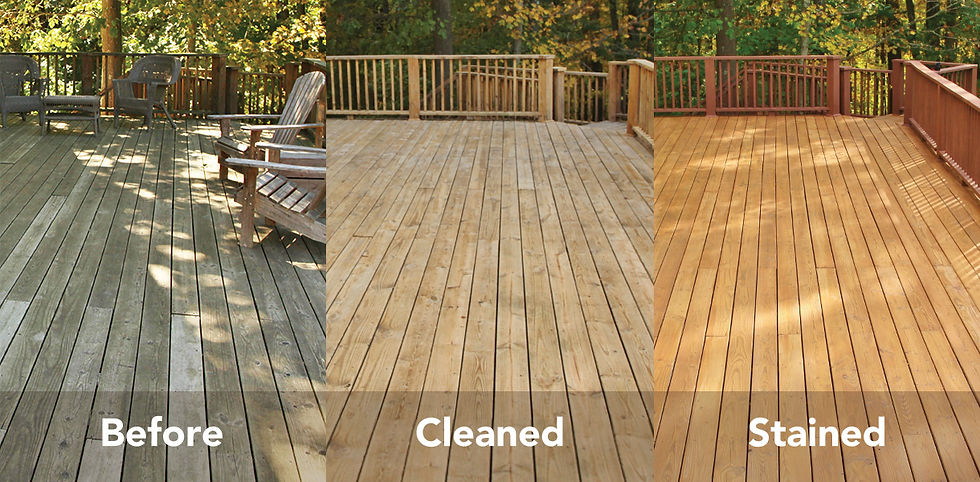
Sign #4: Peeling, Flaking, or Patchy Stain and Sealant Failure
Surface Breakdown: When Coatings Fail
When stain or sealant fails on a fence or deck, trouble moves fast. Peeling, flaking, and patchy film signal the barrier that once shed water now exposes bare wood to every rain and cold snap. After a punishing Indiana winter or the constant battering of summer sun, these weak spots let moisture in deep. Instead of beads rolling off, water gets sucked straight into vulnerable grain - opening the door for rot, mold, and rapid decay.
Typical signs:
Peeling or flaking finish: Coatings appear brittle, split at seams or knots, and may even pull up in ragged strips.
Patchwork appearance: Some sections look protected while others show raw, weatherstained wood. Fences along open fields often show this along their south or west faces.
Dull sheen: Surface gloss turns flat; colors shift unpredictably where protection thins out - especially after last year's freeze left lap marks across deck rails.
A simple test brings problems into focus. Sprinkle a few drops of clean water on suspect boards. If moisture instantly soaks in - leaving dark blotches rather than round droplets - the finish no longer shields those fibers. You might see this first in traffic lanes on decks or along lower fence rails that catch run-off. Waiting overlooks the initial warning and speeds up damage: I've had calls from folks who meant to "catch it next spring," only to find whole panels softened with rot by the time help arrived. Delaying fence restoration leads to splintered posts or rotten pickets that collapse with a push.
Failed coatings shouldn't be ignored. Mold and mildew tap into unguarded wood, rooting beneath loose flakes. Flaking film can also trap moisture inside - increasing the pace of swelling, warping, or splitting boards. One Wabash Valley exterior care project stuck out: a backyard deck where tide lines of cracked stain let black fungus colonize hidden end-grain. The repair meant aggressive stripping and targeted replacement, all avoidable with well-timed surface maintenance.
The Timber Revival Co: Complete, Professional Restoration
Dealing with failed stain or sealant demands systematic restoration - never shortcuts. The Timber Revival Co strips deteriorated finishes fully before prepping wood the right way; our pressure calibration spares fibers while ensuring fresh coatings adhere with strength. Biodegradable stripping agents break up old layers without scarring healthy wood beneath. We then apply high-grade stains and custom-matched sealants designed for the realities of Indiana exposure. These penetrate deep against freeze-thaw cycles or relentless harvest winds.
Old coatings removed safely - no gouging, no unnecessary sanding
Thorough cleaning unlocks new stain absorption for even results
Sealant formulas selected for durability in the Wabash Valley climate
Custom color matches blend repairs seamlessly with existing surfaces
Cheaper DIY fixes - quick roll-on stains over failing film, or mismatched over-the-counter products - often trap problems below the surface. The Timber Revival Co eliminates underlying deterioration and builds a resilient finish that outlasts swing seasons and weather extremes.
Next come more advanced warning signs: conditions neglect makes expensive, sometimes irreversible.
Sign #5: Persistent Moisture, Soft Spots, and Early Signs of Rot
The Real Danger: Moisture Intrusion and Developing Rot
Soft, wet, or crumbling wood tells a harsh truth. Unlike surface issues - mold, graying, flaking stain - persistent moisture signals real structural risk on fences and decks. These are more than cosmetic flaws: wood that stays damp breeds decay at a pace most homeowners underestimate. If a deck post stays wetter than its neighbors days after rain, or you find soft patches near shaded steps, the process of biological breakdown is already underway.
Wood's natural defenses rely on dryness and airflow. When those fail - at ground-level fence pickets, along cut ends of deck boards, or inside tight, shaded corners - water soaks deep and lingers. Fungi need sustained moisture to feed. First signs appear subtle: boards give slightly under pressure, a musty scent lingers near rails, or you spot tiny mushrooms after morning dew. Soon after, cellular walls degrade; fibers lose cohesion. Crumbly edges, spongy sections underfoot, or discoloration shot through with dark veins mean rot has taken hold.
Deck posts anchored in concrete: Prolonged dampness below or around post bases invites decay from hidden, splashing rainwater.
Fence pickets at ground contact: Bottom rails soak up moisture from grass and runoff after storms.
Shaded corners or crowded landscaping: Lack of sunlight prevents speedy drying, turning these microclimates into rot nurseries.
Areas concealed by leaves or debris: Accumulated matter traps water long after surfaces appear dry elsewhere.
Ignoring these early warnings results in damage spreading inward and then outward. Rot never remains isolated to a single spot; by the time boards visibly slough or you catch that telltale softness with your heel, replacement costs rival original installation. In advanced cases, posts snap free during storms or sections slough under modest weight - a preventable danger both to safety and budget.
Restoration Starts with Honest Assessment
Proactive attention stops decay before it claims whole sections of valuable fencing or decking. At The Timber Revival Co, every fence restoration or deck staining begins with a direct, measured inspection. Our team pinpoints exactly where early rot forms - often catching threats invisible to an untrained eye - and distinguishes between what can be revived and where replacement is the prudent call. No guesswork: each diagnosis includes demonstration, not just claims.
Commitment goes beyond simple repairs. We use eco-friendly agents that clean without seeping toxic residue into your soils or gardens. Attention is given to cause as much as cure - whether regrading soil to direct water away, adjusting airflow around posts, or applying premium stains that repel moisture for Wabash Valley conditions. Transparency means you'll see photos, hear the rationale behind every recommendation, and know what you're paying for.
Surface maintenance done before substantial rot preserves both appearance and function, saving far more than it costs. Consistent stewardship prevents those urgent calls after failures - and ensures the life of your fencing and decking for years. Prioritizing timely intervention isn't just sound property practice; it's the only sustainable approach to exterior care where Indiana's climate meets genuine craft and respect for your home investment.
Proactive Protection: When and How Often to Restore or Stain
Surface warning signs tell only part of the story. The difference between reactive and proactive care is felt each year as Terre Haute cycles from muggy summers to freeze-heavy winters. The secret to avoiding repeat repairs or costly replacement lies in scheduled maintenance - timed before typical Indiana weather intensifies problems. Regular surface maintenance today is an investment in tomorrow's safety, beauty, and budget.
Routine Makes Resilient: Establishing Maintenance Timing
Wabash Valley's swings in temperature and moisture mean two particular stress periods - late spring, when fresh growth raises humidity, and late fall, as freeze-thaw cycles accelerate wood movement. Restoring and staining before these windows maximizes their protective benefit. After thorough removal of pollen and organic debris in spring, decks and fences should be professionally deep-cleaned with eco-friendly products and sealed or stained every 2 - 3 years. Highly exposed structures - those facing fields or direct sun - may need annual inspection and touch-up. Fence restoration often alternates with deck staining on annual or biennial schedules to accommodate budget or focus on high-traffic areas.
Decks: Evaluate after winter and clean before heavy summer use. If you notice fading, soft spots, or slickness, prioritize restoration in May - June or September.
Fences: Check after spring rains for signs of water pooling or wet patch persistence. Address finish failures each 2 - 3 years for continued protection.
Family, Pets, and Safety: Daily Observations and Reminders
Simple monthly rituals payoff. Run hands along railing tops for splinters, press lightly into boards near shaded zones for emerging soft spots, or let a hose run on high-traffic sections to check for water beading. Walk fence perimeters after every major storm; children's favorite play routes reveal failed sealant or roughness fast. Digital calendar reminders scheduled each April and September prompt proactive calls or self-assessments before mildew or rot take root.
Choosing Professional Assessment and Community Value
Many issues remain hidden - beneath flaking stain, inside bowed boards, or at ground-level pickets where visual checks alone mislead. Professional inspection draws on experience reading subtle surface clues conditioned by years within the Wabash Valley climate. The Timber Revival Co provides clear communication, honest diagnosis, and reports that break down repair versus renew options line-by-line. Every treatment plan fits the individual property - size, age, traffic patterns, and family priorities for non-toxic processes always frame the recommendations.
Homeowners and property managers across Terre Haute gain from partnered scheduling: free estimates, tailored long-term plans, and transparent costs eliminate guesswork. Choosing a veteran-owned crew dedicated to disciplined work builds a relationship rooted in local trust - pride in protected outdoor living reflects back in curb appeal and neighborhood value. Regular restoration isn't just upkeep; it sustains the gathering spaces and fenced retreats where family life thrives year after year.
Faded color, stubborn stains, raised splinters, breaking stain, and persistent moisture aren't just surface problems. Each signals deeper vulnerability in wood - loss of structural strength, easier mold growth, or conditions ripe for rot. Waiting too long on any one of these signs invites heavier repair bills and unexpected safety hazards. Most failures I've repaired started small: a patch of gray, an untreated splinter, or a soft, damp corner gone unnoticed a season too long.
Spotting even one warning means your fence or deck already faces stress no simple rinse or home fix will solve for good. Professional restoration halts the cycle before weather and wear claim sections beyond repair. The Timber Revival Co understands Terre Haute's climate, using eco-friendly cleaners and safe processes built for family, pets, and local landscapes. Every project is handled as a stewardship - aimed at lasting, dramatic revival, not just a fast cover-up.
If hesitation ever kept you from action, know that direct, honest assessment and zero-pressure guidance are a call or click away. Neighbors throughout the Wabash Valley trust The Timber Revival Co - veteran-owned, fully insured, and rooted right here - to protect what matters most. Schedule a free estimate, browse real before‒after transformations, or get practical answers for your property. Investing in restoration isn't only about fences and decks; it's about family protection, community pride, and outdoor spaces built to last.


Comments